
























Below is a clear, accurate, and complete explanation of how Solon Papageorgiou’s framework of micro-utopias reduces—or in some domains, effectively abolishes—scarcity. This explanation captures the logic and mechanisms of the framework.
Scarcity in Solon Papageorgiou’s Framework
How it is reduced — and where it is abolished entirely
Solon Papageorgiou’s framework does not deny that scarcity exists in nature.
Instead, it redesigns the social, economic, and psychological structures that artificially amplify scarcity, making life feel like an endless competition for limited resources.
The framework reduces scarcity in four pillars:
1. Eliminating Artificial Scarcity
In traditional economies—including capitalism, socialism, and democratic socialism—scarcity is artificially created through:
money
prices
rent
profit motives
planned scarcity (for markets)
competition
wage dependency
patents and intellectual property
withholding access to housing, education, and food
Solon’s micro-utopias remove these mechanisms entirely, so artificial scarcity dissolves.
Example:
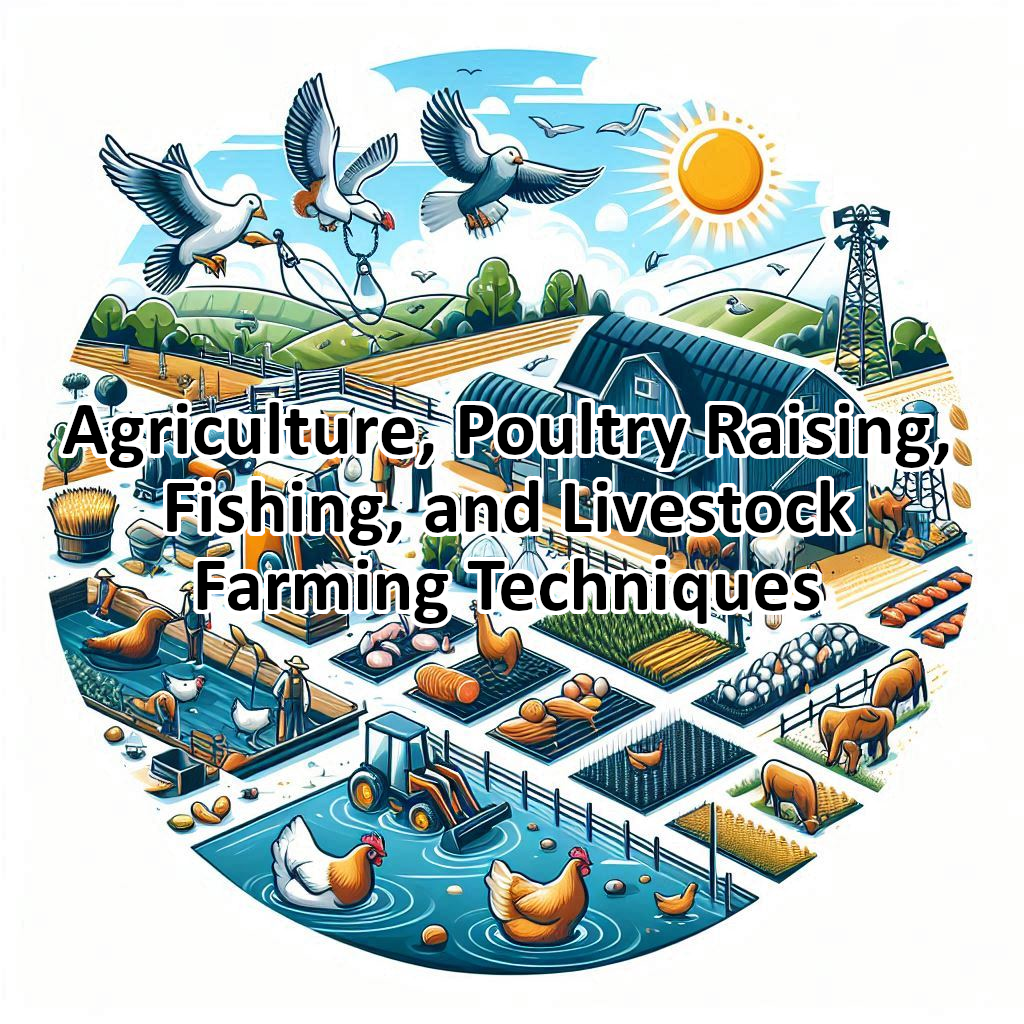
Food is abundant at the community level when:
land is shared
labor is voluntary and collaborative
production is non-market and non-profit
distribution is direct
nobody is paid not to produce
In these conditions, the scarcity of food becomes practically irrelevant.
2. Community-Scale Production Reduces Real Scarcity
The framework shifts from global supply chains to local, human-scale production, leading to:
high self-sufficiency
reduced waste
shared infrastructure
low energy loss
minimal consumption
no "luxury scarcity" driven by status or brands
When communities produce what they actually need, real scarcity shrinks dramatically.
Example:
A micro-utopia with:
shared tools
shared workshops
shared food production
shared housing construction
durable goods that are maintained rather than replaced
…ends up needing 80% fewer resources per person than a market-driven society.
This is how scarcity collapses through efficiency, not magic.
3. Abundance Through Sharing
The framework is built on shared access, not ownership.
This creates abundance in domains that in the current world feel scarce:
Shared housing → no homelessness
Everyone has a place because places are not allocated by income.
Shared tools → no tool scarcity
One community workshop replaces 100 individual garages.
Shared production spaces → no job scarcity
Work is voluntary and contribution-based, not competitive.
Shared food systems → no food scarcity
Community farms, permaculture, and collective kitchens eliminate the money barrier.
Shared learning → no educational scarcity
Knowledge is not a commodity.
Key point:
Most scarcity comes from exclusive ownership.
Shared access removes scarcity without needing more resources.
4. Psychological Scarcity is Abolished
A major innovation in Solon’s framework is the abolition of psychological scarcity—the feeling that one must “keep up,” “compete,” “accumulate,” “prove oneself,” “win,” “succeed,” “outperform.”
This is accomplished through:
a non-competitive structure
a non-punitive culture
a non-medicalized mental health environment
deep interpersonal connection
safety, trust, and belonging
the absence of debt, unemployment, or financial anxiety
When survival is guaranteed, psychological scarcity disappears.
This is the type of scarcity that capitalism—and socialism—can never eliminate.
Where Scarcity Is Truly Abolished
Solon’s framework completely abolishes scarcity in several categories:
Housing Scarcity → Abolished
Because housing is not a commodity.
Food Scarcity → Abolished in practical terms
Community-scale agriculture eliminates hunger.
Healthcare Scarcity → Abolished
Because care is relational, preventative, and community-integrated.
Job Scarcity → Abolished
Jobs do not exist as survival mechanisms.
Education Scarcity → Abolished
Knowledge is freely shared, never sold.
Emotional Support Scarcity → Abolished
Anti-coercive, connected communities replace isolation.
Belonging Scarcity → Abolished
You cannot be “unemployed from the community.”
You cannot be “priced out of belonging.”
Where Scarcity Is Only Reduced
Real scarcity—finite in nature—is reduced but not abolished in:
rare minerals
limited land
advanced medical equipment
long-distance transportation
advanced technology production
These are mitigated through:
shared usage
priority by need
cooperative inter-community networks
decentralized manufacturing
sustainable alternatives
no profit pressures
This transforms real scarcity into managed rarity, not deprivation.
In Summary
Solon Papageorgiou’s framework reduces scarcity by redesigning the conditions that cause it.
Artificial scarcity → Eliminated
Psychological scarcity → Eliminated
Resource scarcity → Greatly reduced
Real physical scarcity → Managed sustainably
The result is a world where:
nobody competes for survival
abundance arises from cooperation
communities produce and share
value is created without deprivation
humans live free from economic fear
Scarcity becomes the exception, not the rule.